01
How a discharge develops
Strong thunderstorm updrafts create a mixed region of ice crystals, graupel and supercooled liquid water. Collisions help separate charge within the cloud.
As the electric field grows, air can break down into branching conductive paths. A return stroke carries intense current and produces the bright flash most observers recognise.
Updraft
Rising air that sustains the storm’s mixed-phase region.
Charge
Separated electrical regions create a strong field.
Channel
Ionised air forms a path through which current can flow.
Thunder
Rapid heating expands air and generates a pressure wave.
02
Cultural symbolism is a different source record
Ancient texts and objects can connect lightning with divine authority, warning or sky power. Those meanings belong to the history of representation and belief.
A museum catalogue can support an interpretation of a thunderbolt motif. NOAA supports the explanation of a discharge. Neither source should be made to answer the other discipline’s question.
03
Historic buildings require a risk plan
Wind, intense rain, flooding, repeated wetting and lightning can affect both fabric and visitor safety. Vulnerability depends on material, condition, topography, drainage and previous repair.
Lightning protection and emergency work should be designed by qualified professionals in coordination with heritage authorities. A visible conductor is only one part of inspection, earthing, maintenance and documentation.
Field notes
Continue the reading

Weather
How Lightning Forms
Charge separation inside a thunderstorm, electrical breakdown and the return stroke—explained without mixing physics with myth.
Read article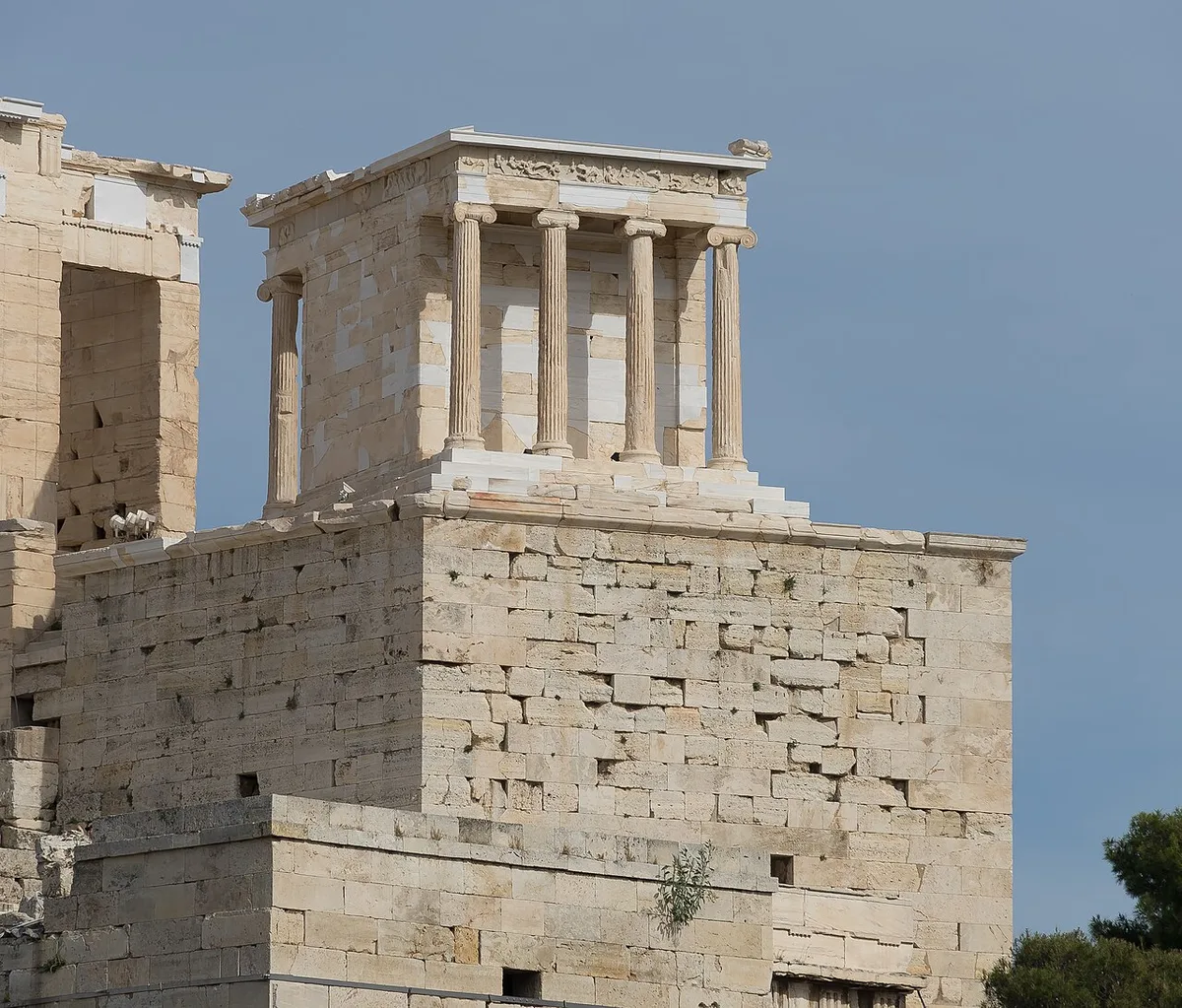
Conservation
Protecting Historic Buildings from Severe Weather
Risk assessment, drainage, lightning protection and documentation are more useful than treating one device as a universal solution.
Read articleSources