01
From carbonate rock to marble
Marble is a metamorphic rock. Heat, pressure and fluids recrystallise a carbonate-rich parent rock without melting it. Grain size, impurities and deformation vary from quarry to quarry and within a deposit.
Pentelic, Parian and local Attic marbles should not be treated as interchangeable white surfaces. Archaeological identification depends on documentation and, where appropriate, scientific analysis.
Calcite
A common calcium-carbonate mineral and the main component of many marbles.
Grain
Recrystallised particles whose size and boundaries affect texture and decay.
Vein
A mineral-filled fracture or band that may differ from surrounding stone.
Finish
Tooling, polishing and coatings change appearance and exposure.
02
Why outdoor exposure matters
Water, soluble salts, temperature change, frost, pollution and biological growth can work together. The same stone may weather differently on a washed façade, a sheltered cornice and a damp joint.
Carbonate stones are sensitive to acidic deposition. Surface loss, grain detachment and dark crusts are material processes; diagnosis should precede cleaning.
03
Conservation is specific
A compatible repair begins with recording condition and understanding the original material. Strong acids, harsh abrasives and high-pressure water can remove historic surfaces or drive deterioration deeper.
We do not publish do-it-yourself treatment instructions for protected monuments. Conservators and site authorities must determine methods, access and maintenance cycles.
Field notes
Continue the reading
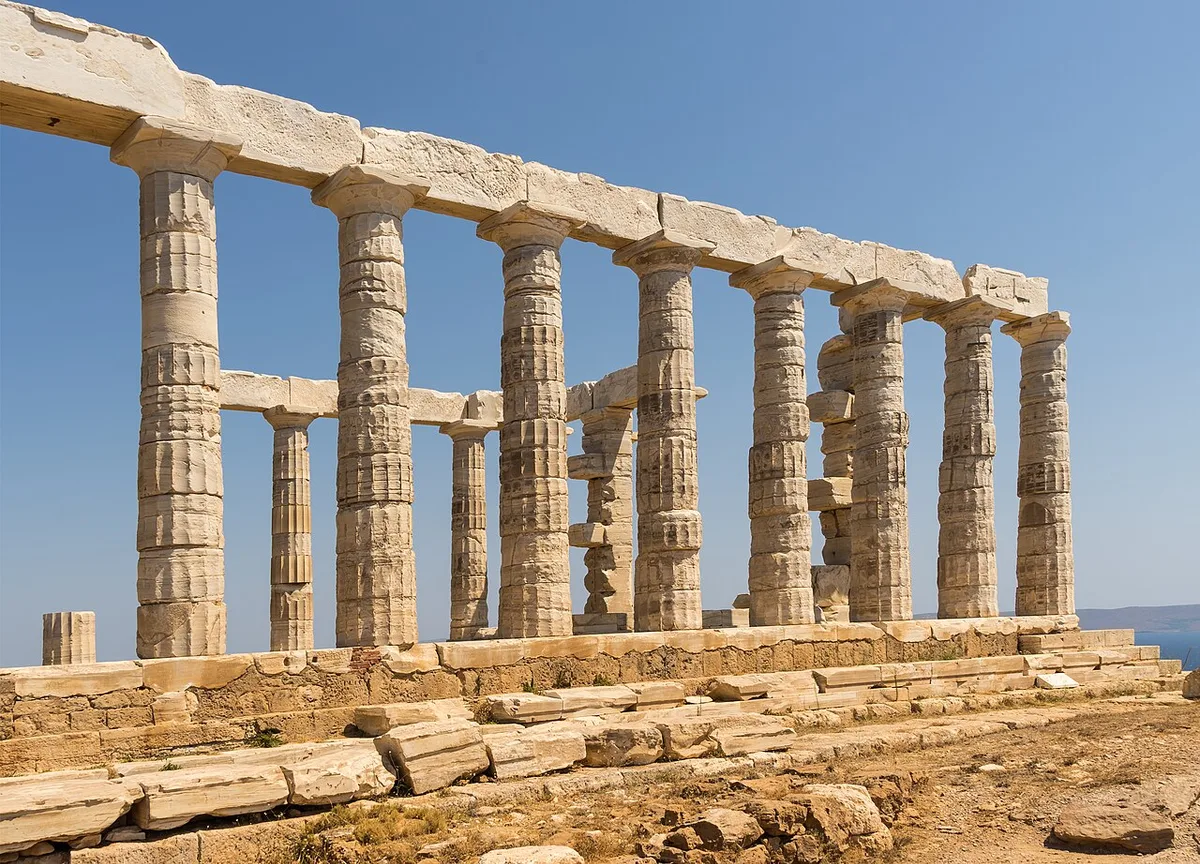
Materials
Why Marble Behaves Differently Outdoors
Grain, calcite, water and pollution help explain why a polished sample and a weathered monument can look like different materials.
Read article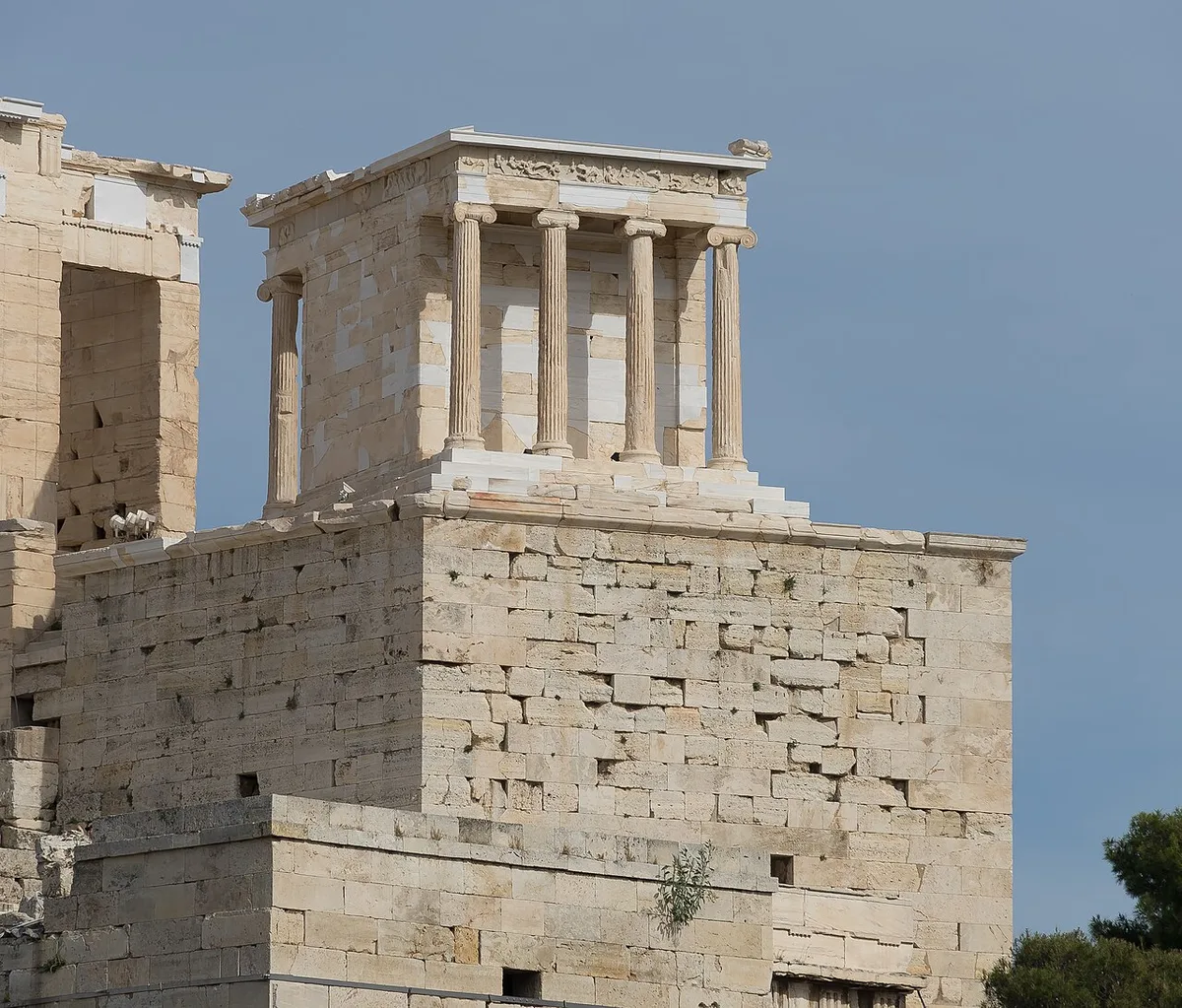
Conservation
Protecting Historic Buildings from Severe Weather
Risk assessment, drainage, lightning protection and documentation are more useful than treating one device as a universal solution.
Read articleSources