Measured archive

Nine Temples, Nine Design Stories

A compact comparative index of location, date, order and material. Each record links to institutional sources and an openly licensed image credit.

Curated by Marble & Thunder Editorial DeskUpdated 30 August 2026

Complete index

From Aegina to the Athenian Acropolis

Approximate dates remain approximate. Multi-phase projects retain their construction sequence.

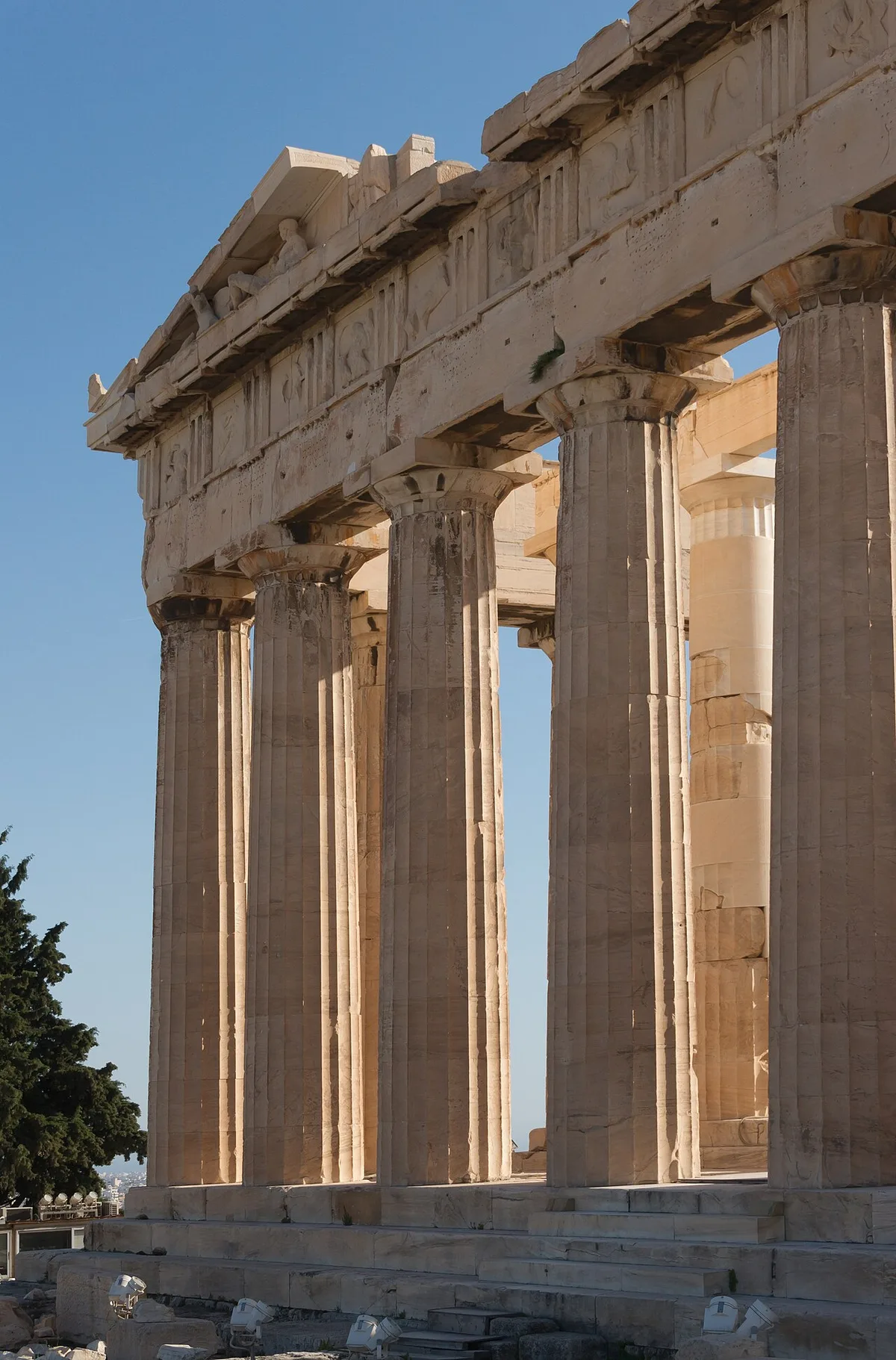
East side of the Parthenon on the Athenian Acropolis01

Acropolis, Athens, Greece

Parthenon

Date
447–432 BCE
Order
Doric exterior; Ionic frieze
Material
White Pentelic marble

A precisely coordinated marble temple whose Doric exterior and continuous Ionic frieze make it an essential study in order, craft and visual refinement.

Read the story
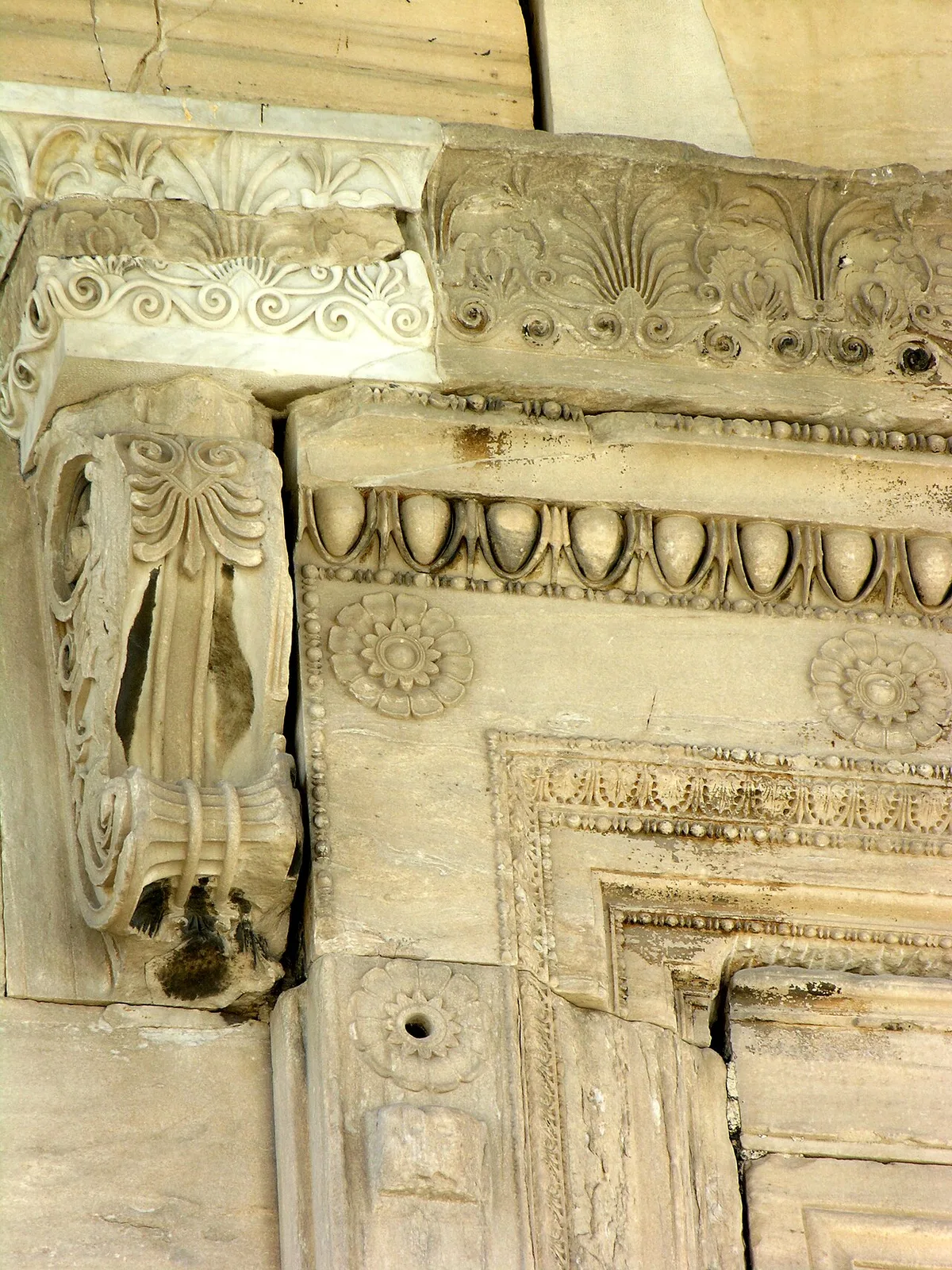
The north porch and Ionic columns of the Erechtheion02

Acropolis, Athens, Greece

Erechtheion

Date
421–406 BCE
Order
Ionic
Material
Pentelic marble; contrasting frieze stone

An asymmetrical Ionic building shaped by a difficult site and multiple sacred functions, with porches set at different levels.

Read the story
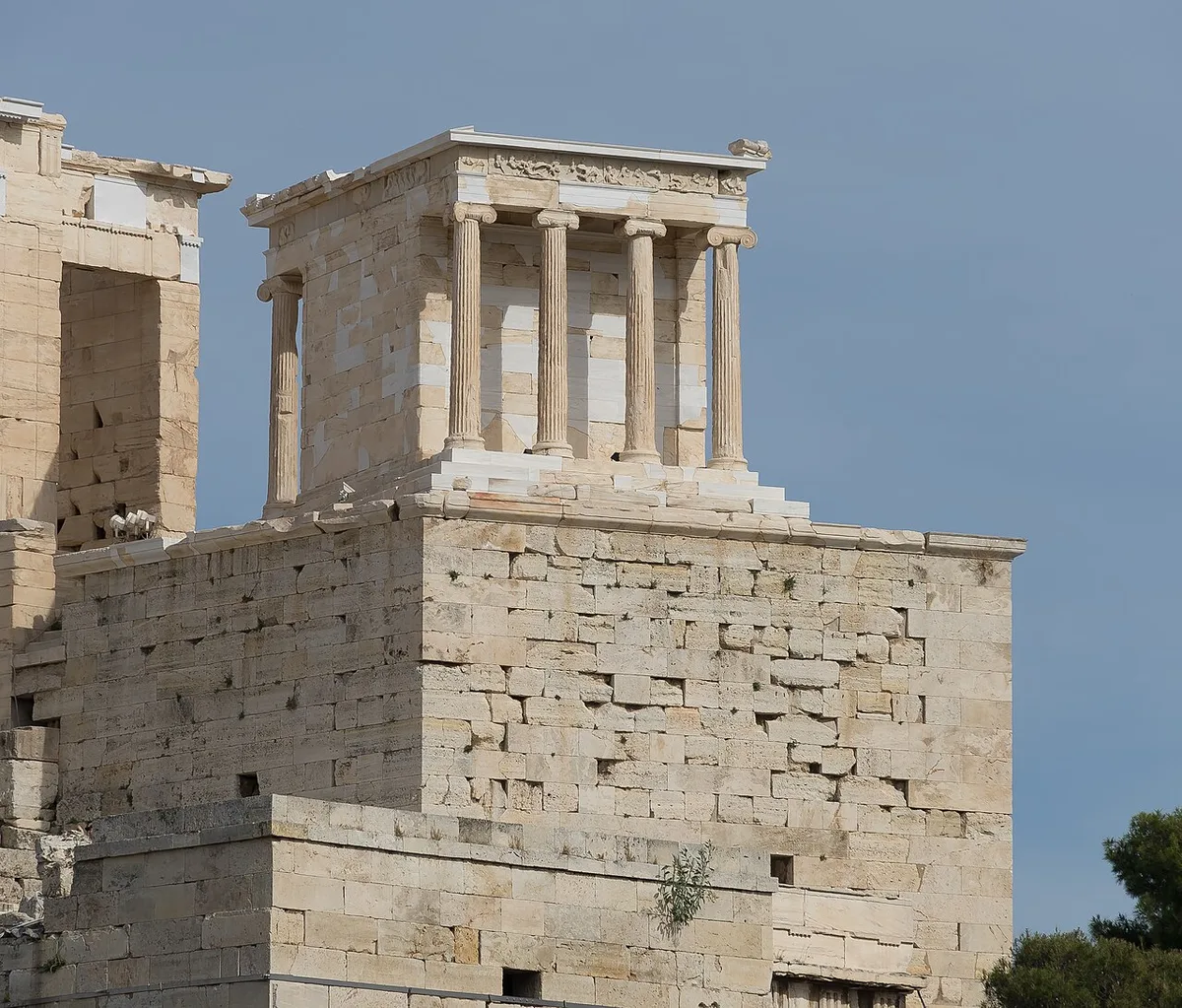
The small Ionic Temple of Athena Nike on the Acropolis03

Acropolis, Athens, Greece

Temple of Athena Nike

Date
c. 427–424 BCE
Order
Ionic amphiprostyle
Material
Pentelic marble

A compact Ionic temple whose small footprint, projecting site and four-column façades show how monumentality can be achieved at a modest scale.

Read the story
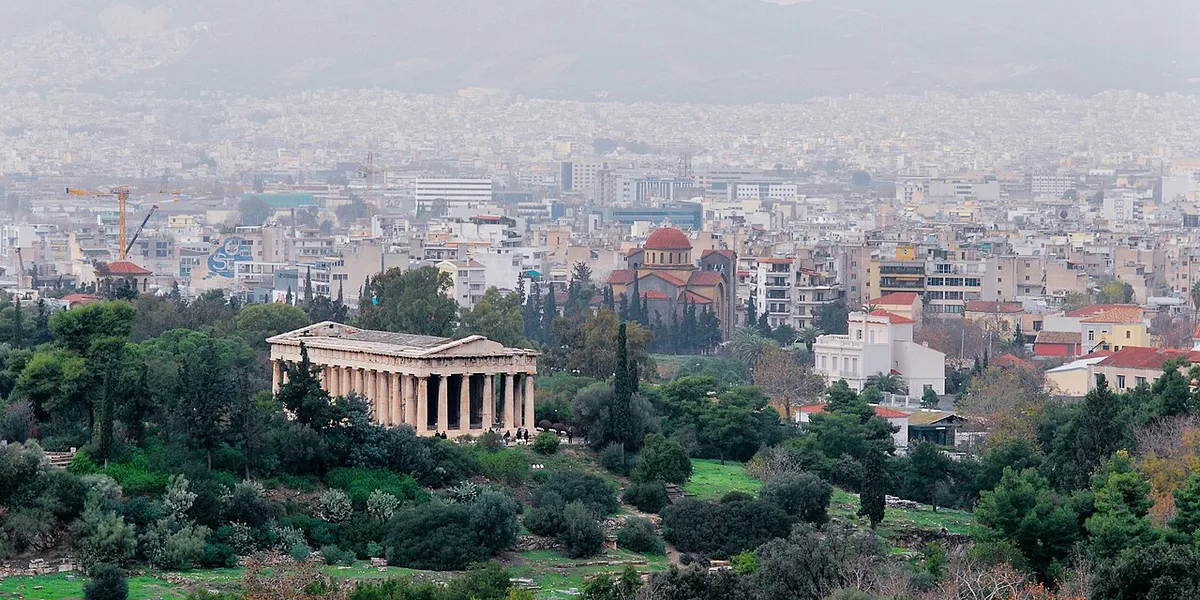
Temple of Hephaestus within the landscape of the Ancient Agora04

Ancient Agora, Athens, Greece

Temple of Hephaestus

Date
c. 460–420 BCE
Order
Doric peripteral
Material
Pentelic marble; Parian marble sculpture

One of the best-preserved Greek temples, with a six-by-thirteen Doric colonnade and a clearly legible relationship between exterior and inner rooms.

Read the story
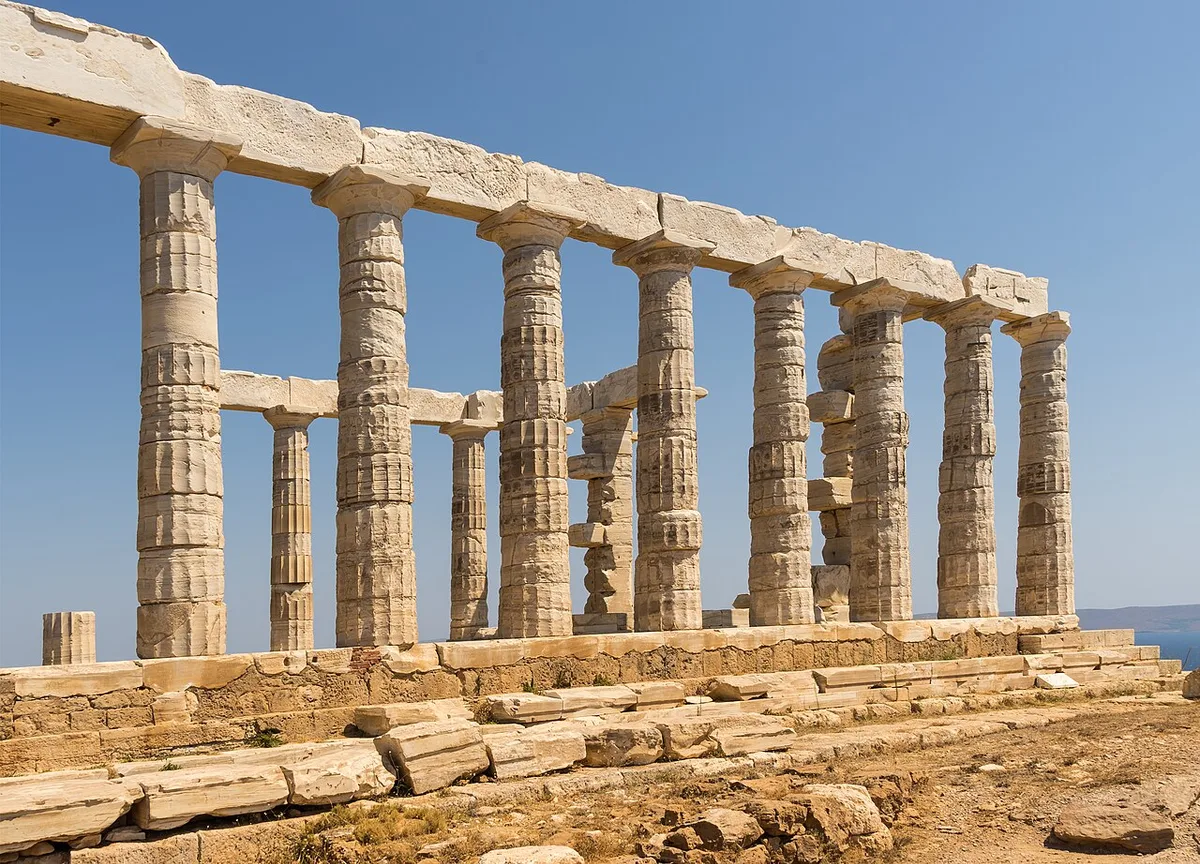
Doric columns of the Temple of Poseidon at Cape Sounion05

Cape Sounion, Attica, Greece

Temple of Poseidon

Date
c. 444–440 BCE
Order
Doric peripteral
Material
Local Agrileza marble

A coastal Doric temple where local marble, strong wind and long sightlines make material exposure part of the architectural story.

Read the story
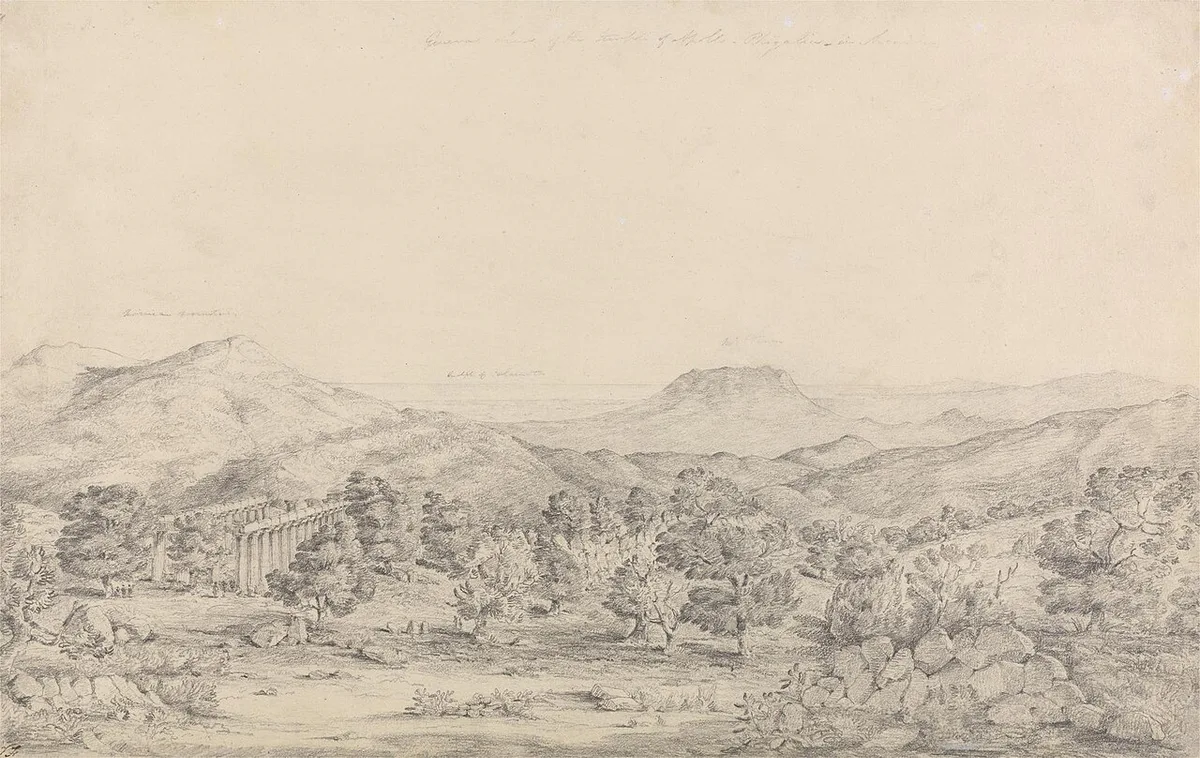
Historic field drawing of the Temple of Apollo Epicurius at Bassae06

Bassae, Arcadia, Greece

Temple of Apollo Epicurius

Date
c. 420–400 BCE
Order
Doric, Ionic and Corinthian
Material
Local limestone with marble elements

A remote mountain temple renowned for combining all three classical orders and for an interior arrangement unlike a standard textbook diagram.

Read the story
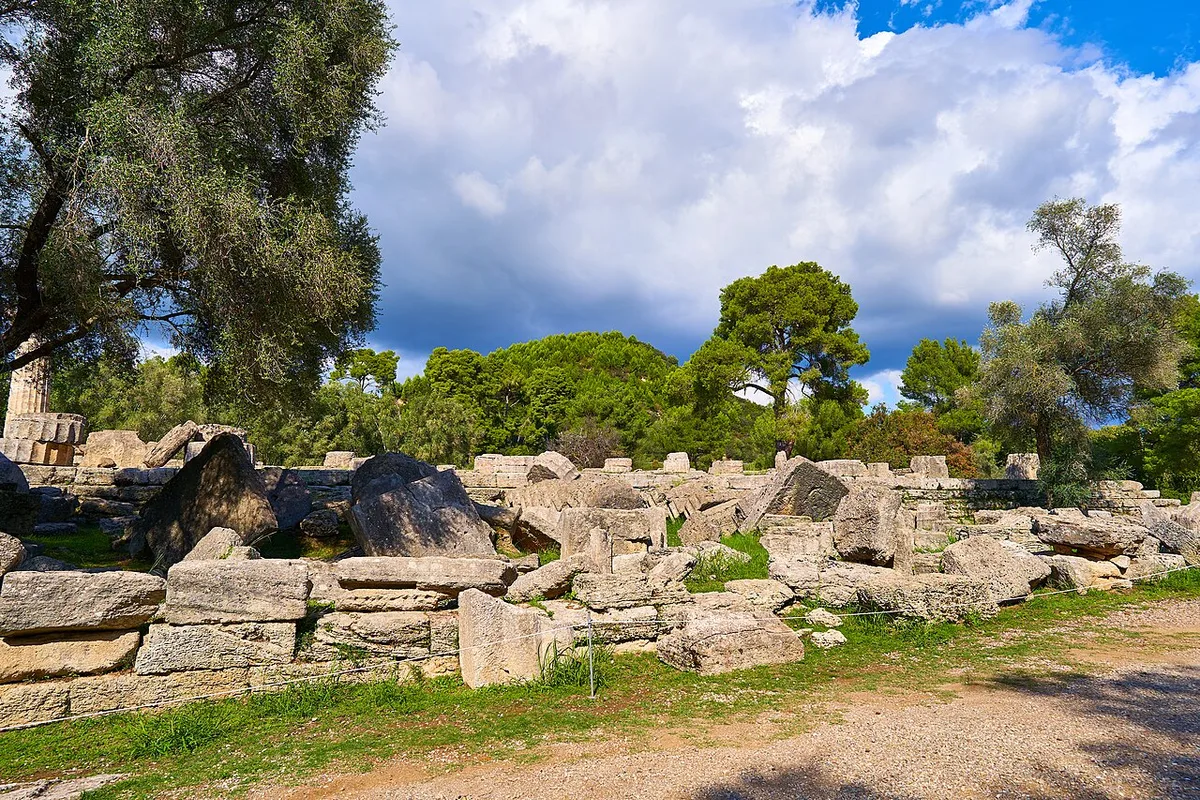
Collapsed architectural blocks at the Temple of Zeus in Olympia07

Olympia, Elis, Greece

Temple of Zeus at Olympia

Date
c. 470–457 BCE
Order
Doric peripteral
Material
Local shell limestone with stucco finish

A major early Classical Doric temple whose collapsed drums and blocks reveal construction scale as clearly as the standing column restored on site.

Read the story
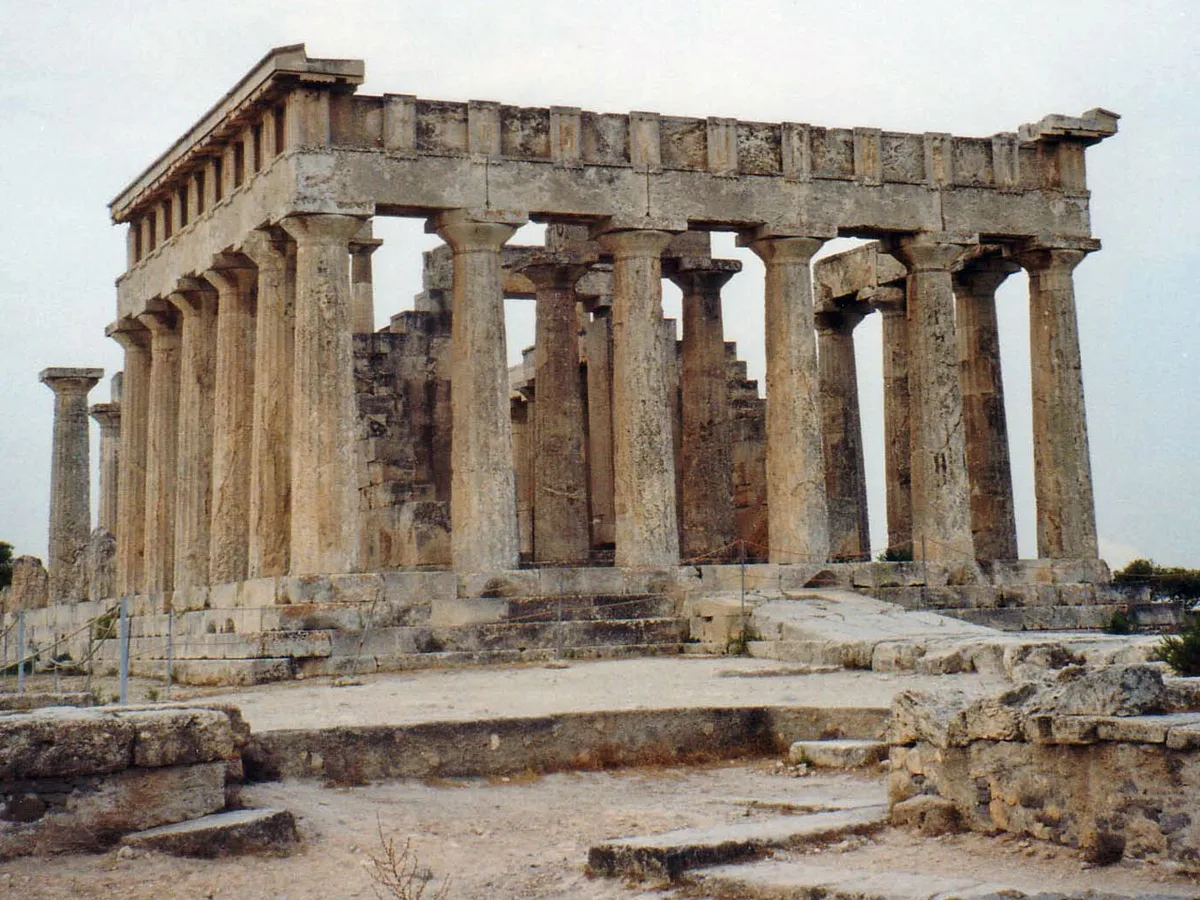
Doric exterior of the Temple of Aphaia on Aegina08

Aegina, Greece

Temple of Aphaia

Date
c. 500–480 BCE
Order
Doric peripteral
Material
Local limestone; marble roof trim and sculpture

A late Archaic Doric temple with an unusually well-preserved upper structure and evidence for a two-tiered inner colonnade.

Read the story
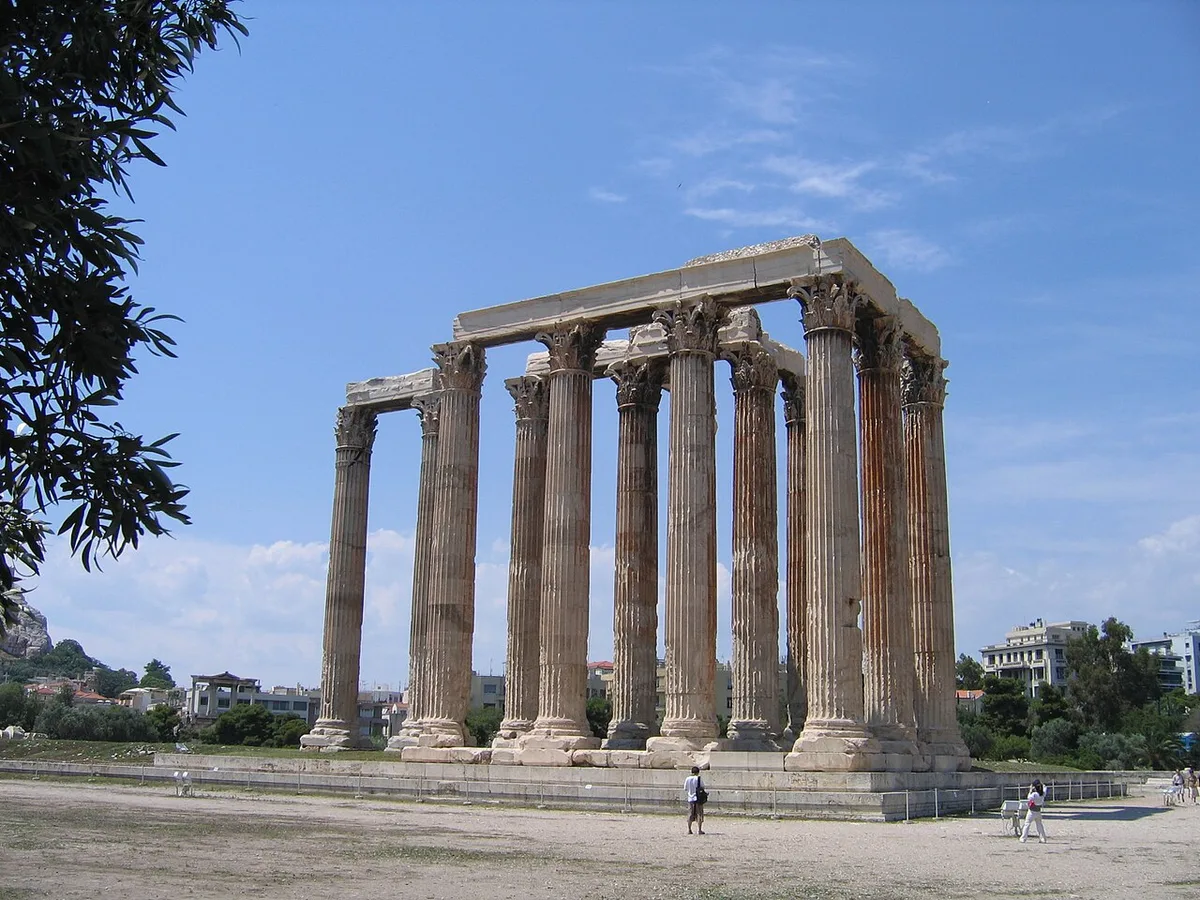
Tall Corinthian columns of the Temple of Olympian Zeus in Athens09

Athens, Greece

Temple of Olympian Zeus

Date
begun 515 BCE; completed 131–132 CE
Order
Corinthian
Material
Marble

A colossal project completed across centuries, useful for separating an Archaic foundation history from its later Hellenistic and Roman Corinthian form.

Read the story